


Key Takeaways
Use a Florida-specific lease agreement that includes all required disclosures instead of relying on a generic template.
Clearly define rent, lease dates, entry procedures, and other key terms to reduce misunderstandings and support consistent lease enforcement.
Follow Florida's security deposit rules carefully, including required notices, to help protect your ability to handle deposits properly.
Review your lease regularly to reflect changes in Florida rental laws before signing new agreements with residents.
Jacksonville's rental market moves fast, and it's tempting to treat the lease as a formality you get through so you can hand over keys. That mindset causes more headaches than almost anything else in property management.
A lease is the document a judge reads first if a dispute ever goes that far, and Florida has specific requirements that a generic template just won't cover. In this article, Alta Property Management Services will go over how to make the best lease for your rental property.
Want to Know More About Lease Agreements?
What Every Jacksonville Lease Agreement Must Include
The full legal names of the landlord and every tenant need to appear, along with the exact rental address, unit number included where it applies. Rent amount should be written in both figures and words, and the tenancy needs specific start and end dates rather than a vague duration.
A lease that only says "one year" without hard start and end dates leaves room for disagreement about exactly when the tenancy is supposed to wrap up, and that kind of ambiguity tends to work against whoever wrote the lease.
Signatures matter too, and not just as a formality. Both parties signing and dating the agreement is what makes the terms enforceable, and it establishes a clear record that everyone understood what they were agreeing to.
Required Disclosures for Florida Rental Agreements
This is where Florida leases get specific, and it's an area a lot of owners underestimate. State law requires several disclosures before or at signing:

Landlord or agent identification: Name and address in writing so tenants know who to send notices to.
Radon gas disclosure: Must use the exact statutory language, not a paraphrased version, and applies to every residential lease regardless of property age or location.
Lead-based paint disclosure: Required for anything built before 1978, which covers a meaningful chunk of Jacksonville's older neighborhoods.
Flood disclosure: Required for leases running a year or longer, a newer rule that catches many owners off guard.
Florida Security Deposit Rules for Landlords
Unlike states that cap deposits at one or two months' rent, Florida doesn't set a maximum amount.
Landlords with five or more rental units must disclose where the deposit is held and whether it earns interest, and within 30 days of receiving the deposit, the tenant needs written notice stating the depository's name and address.
Skipping that notification step can complicate a landlord's ability to keep any of the deposit later, even for legitimate damage.
Getting deposit handling right matters enough on its own that Florida law treats it as a standalone disclosure obligation separate from the rest of the lease.
Owners who want a fuller picture of how deposit deductions, timelines, and tenant notifications work together tend to benefit from reviewing the specifics of Florida's security deposit rules before finalizing lease language.
Want to Know More About What We Can Do For You?
Check Out Our Property Management Services!
Landlord Entry Notice Requirements in Florida
Florida requires at least 24 hours' notice before entering for repairs, and that window has to fall between 7:30 a.m. and 8:00 p.m. unless the tenant agrees otherwise. Emergencies are the one exception where no advance notice is needed.
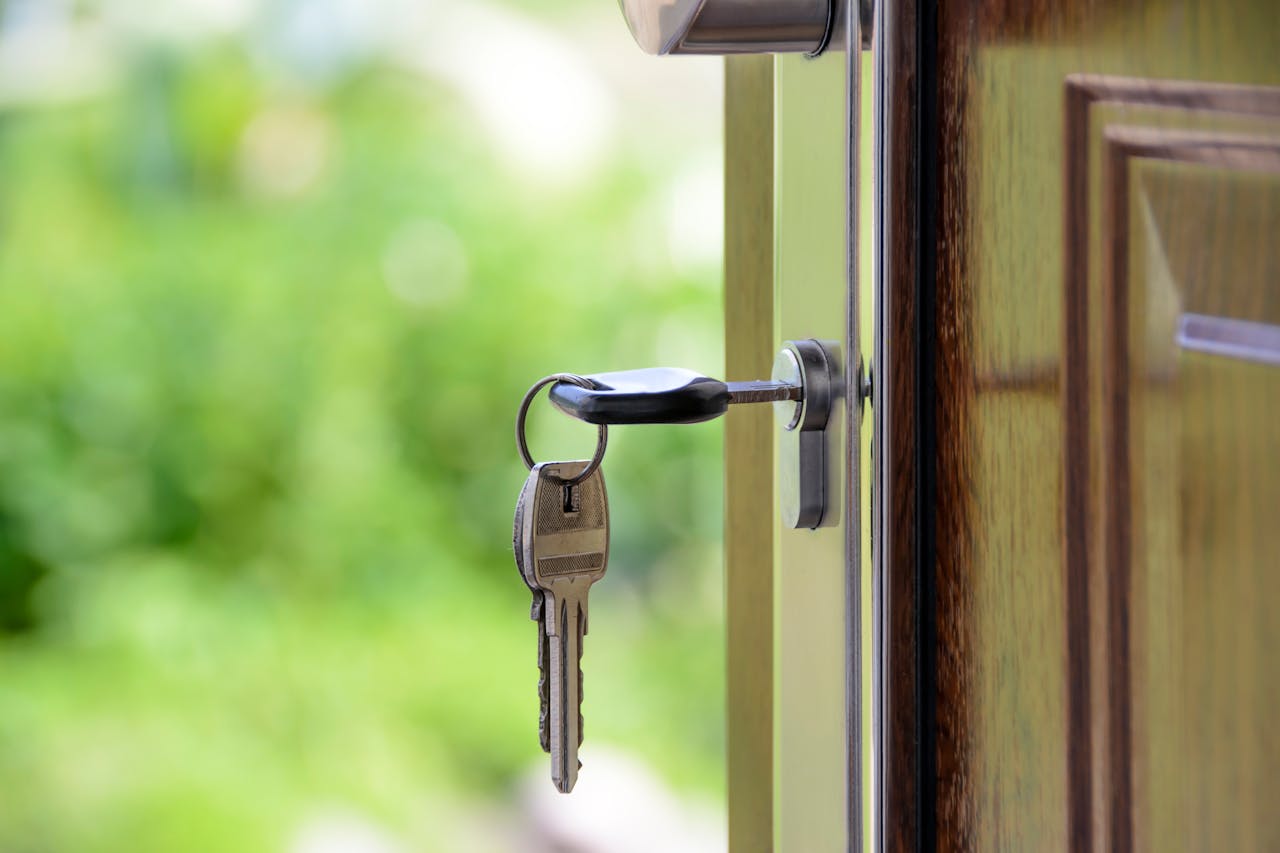
Spelling this out clearly in the lease, including how notice gets delivered, whether by phone, text, or written notice on the door, prevents the kind of friction that turns into a bigger relationship problem down the line.
Rent Increase and Lease Termination Notice Rules in Florida
Florida doesn't cap how much rent can go up between lease terms, which surprises tenants moving from states with rent control.
A month-to-month tenancy now requires 30 days' written notice before a rent increase or lease termination takes effect, up from the 15-day standard that used to apply.
Mid-lease increases aren't allowed unless the lease itself specifically permits them, and increases can't be used as retaliation for a tenant exercising a legal right.
Owners who eventually need to end a tenancy for cause should understand how that process differs from a standard notice well before it becomes necessary. Reviewing the eviction process in advance saves real time if a situation ever escalates that far.
Want to Know More About Us?
Why a Generic Lease Template Falls Short in Florida
A lease pulled from a generic template might hit the basics, but it rarely reflects Florida's exact radon language, current flood disclosure rule, or the newly extended notice periods. These aren't small details.

A missing disclosure can leave portions of a lease unenforceable, and that's a bigger risk than most owners realize until it actually comes up.
Final Thoughts
A well-built lease protects the relationship on both sides of the agreement, not just the owner's interests. Getting the disclosures, deposit terms, and notice requirements right from the start means fewer disputes and a smoother tenancy overall.
Alta Property Management Services works with Jacksonville owners to put leases together that reflect current Florida law and hold up when it matters most. Reach out for a rental analysis and see what a properly structured lease could do for your property.
Ready to Get Started?
Frequently Asked Questions About Making a Lease Agreement
Should I Have a Different Lease Agreement for Each Rental Property?
In many cases, yes. While you can use a consistent lease framework across your portfolio, each property may require different terms based on factors such as included appliances, parking arrangements, HOA requirements, utilities, pet policies, or property-specific rules.
Customizing each lease helps ensure the agreement accurately reflects the property and reduces confusion if questions arise later. Reviewing each lease before every new tenancy can also help account for changes in Florida laws or your rental policies.
How Often Should I Update My Lease Agreement?
It's a good practice to review your lease before every new lease signing, even if the document has worked well in the past. Florida rental laws and required disclosures can change over time, and outdated language may create unnecessary risk.
Property owners should also update lease terms when changing rental policies, adding amenities, or modifying operational procedures. A periodic review helps ensure the agreement continues to reflect current legal requirements and the way the property is actually managed.
What Happens If My Lease Is Missing a Required Florida Disclosure?
Missing a required disclosure does not automatically invalidate an entire lease, but it can create legal complications depending on the specific requirement involved.
Certain omissions may affect the enforceability of portions of the agreement or limit a landlord's options if a dispute arises.
Because disclosure requirements have changed in recent years, property owners should verify that their lease includes all current Florida-required language before it is signed.
Can A Property Management Company Help Prepare Lease Agreements?
Many property management companies assist owners by preparing lease agreements that reflect current Florida requirements and the owner's rental policies.
Working with an experienced property manager can help owners maintain consistent documentation while reducing the administrative workload associated with leasing residential investment properties.
Why Is A Florida-Specific Lease Better Than A Generic Online Template?
Generic lease templates are often written to serve multiple states and may not include Florida's required disclosures or reflect current state notice requirements.
A Florida-specific lease is more likely to address the laws that apply to residential rental properties in the state, helping owners avoid preventable compliance issues.
Using a lease designed for Florida and reviewing it regularly as laws change can provide stronger documentation and better support consistent property management practices.
Let's Get Started!